Between Birth and Brutalism: Why Among the Waves Could Be One of the Most Unusual Metroidvanias on the Horizon
In a genre built on agility and combat, Among the Waves asks a more unsettling question: what if pregnancy was not a limitation, but your primary source of power?

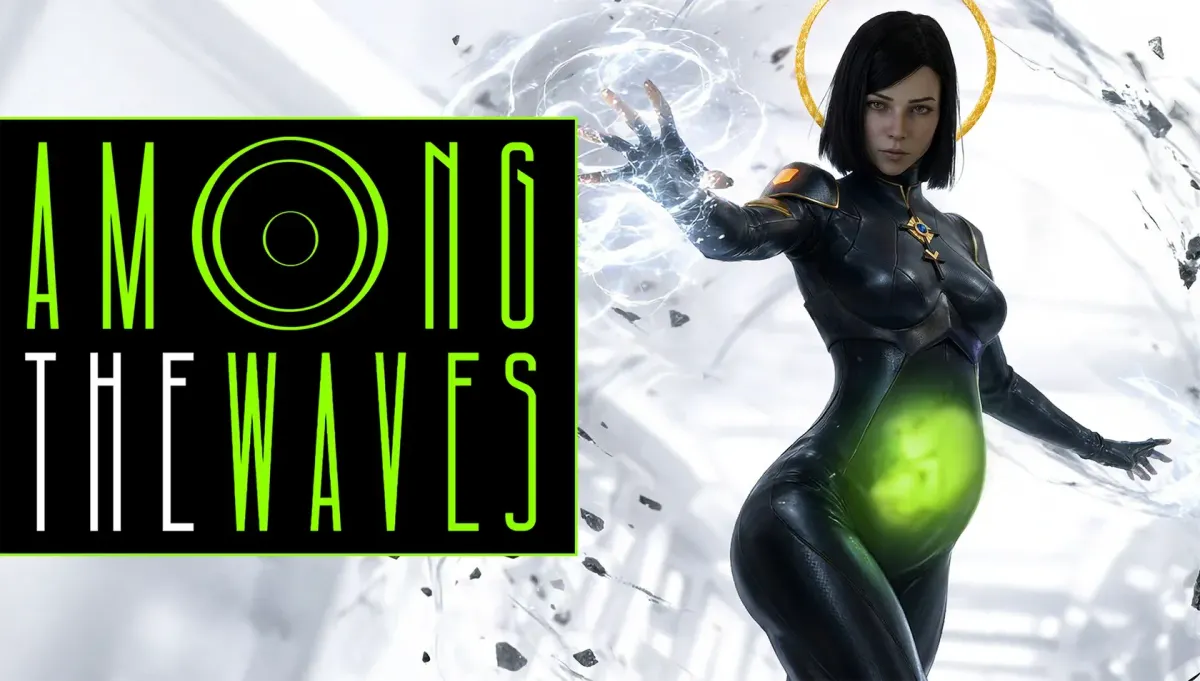
Steam Next Fest is full of games asking for a few minutes of attention. Among the Waves is one of the rare ones asking for thought as well.
According to the official site and Steam page, the project is an author-driven, philosophical indie metroidvania from a seven-person team, built around an unusual central idea: pregnancy is not treated as a limitation, but as a source of power.
That combination alone is enough to make the game stand out, but what makes Among the Waves more than a curiosity is that its strangeness appears structural rather than decorative. The premise, mechanics, setting, and marketing all point in the same direction: this is a game trying to build a complete identity instead of borrowing one.
For players, that makes it one of the more intriguing demos and playtest-driven projects orbiting Steam Next Fest. For developers and publishers, it already looks like a small but useful case study in how an indie team can carve out visibility in an overcrowded genre by committing to a highly specific creative thesis.
What the Game Is
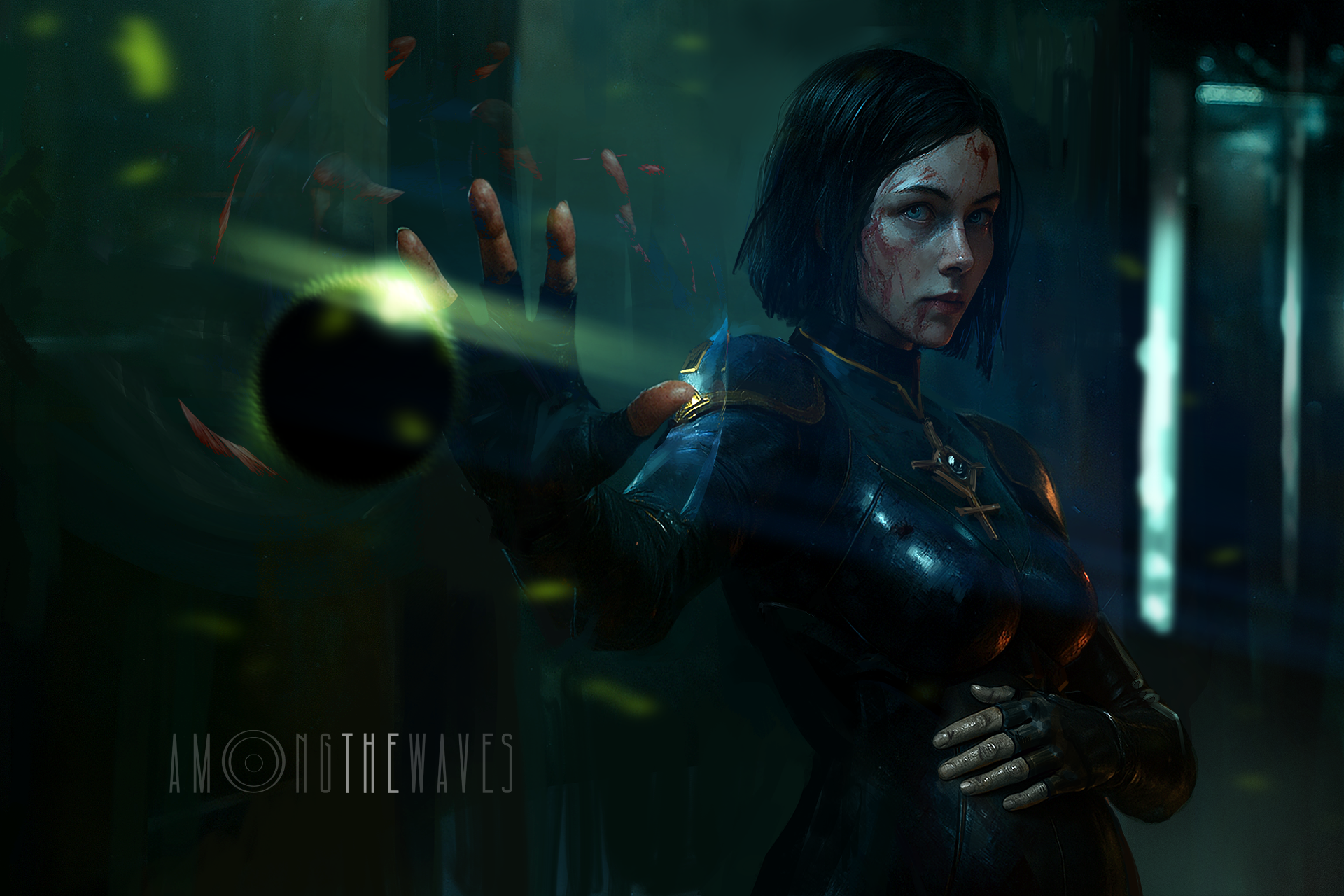
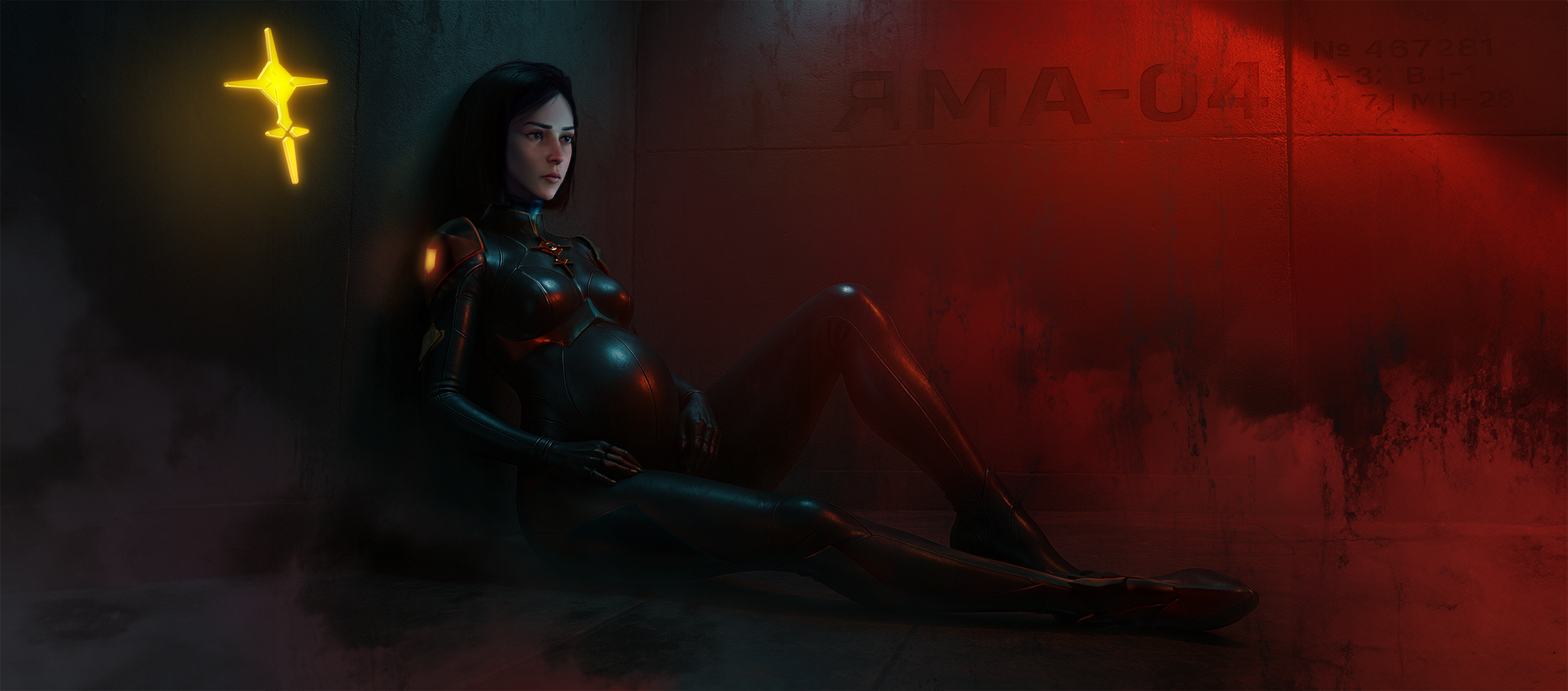
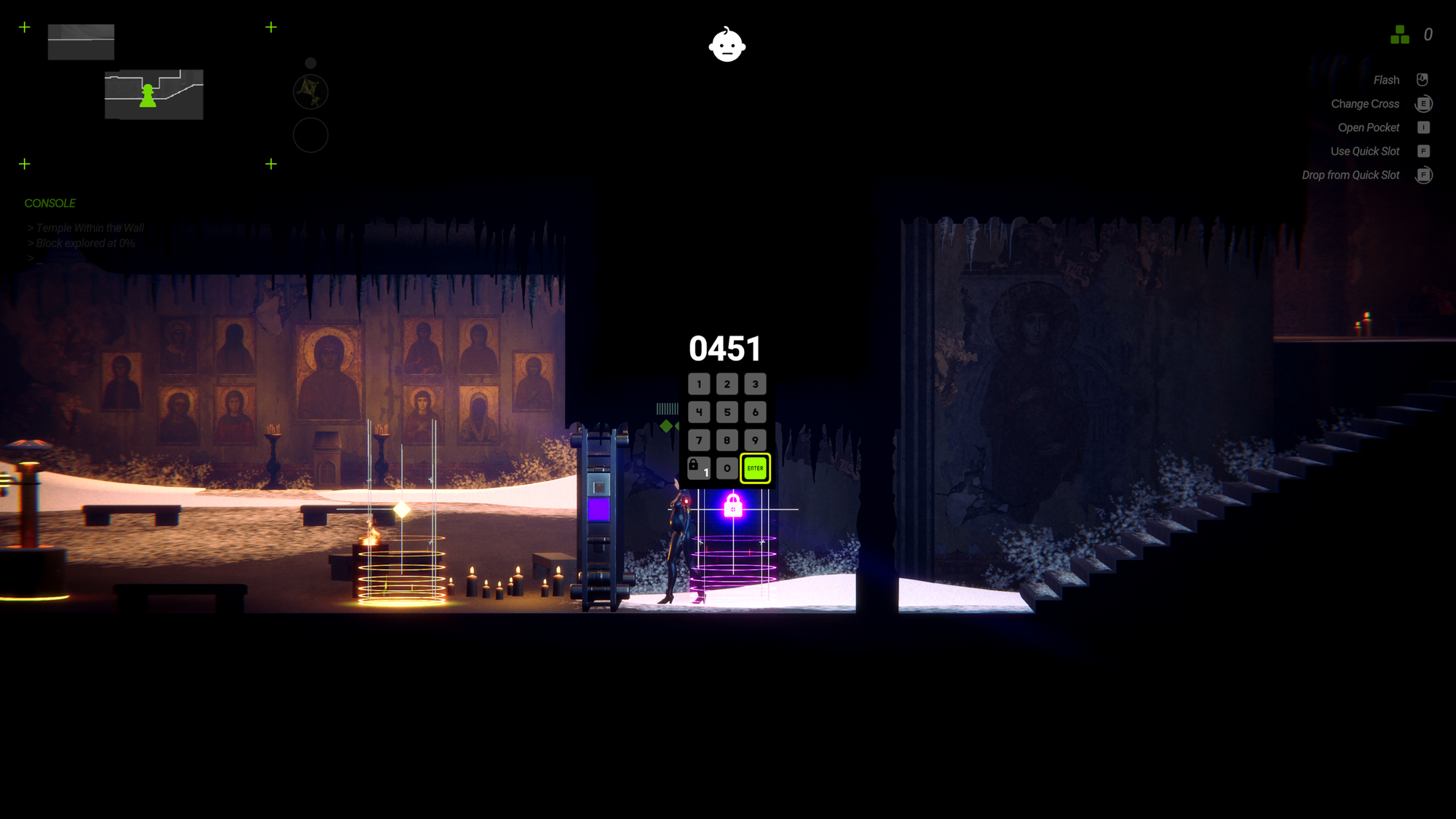
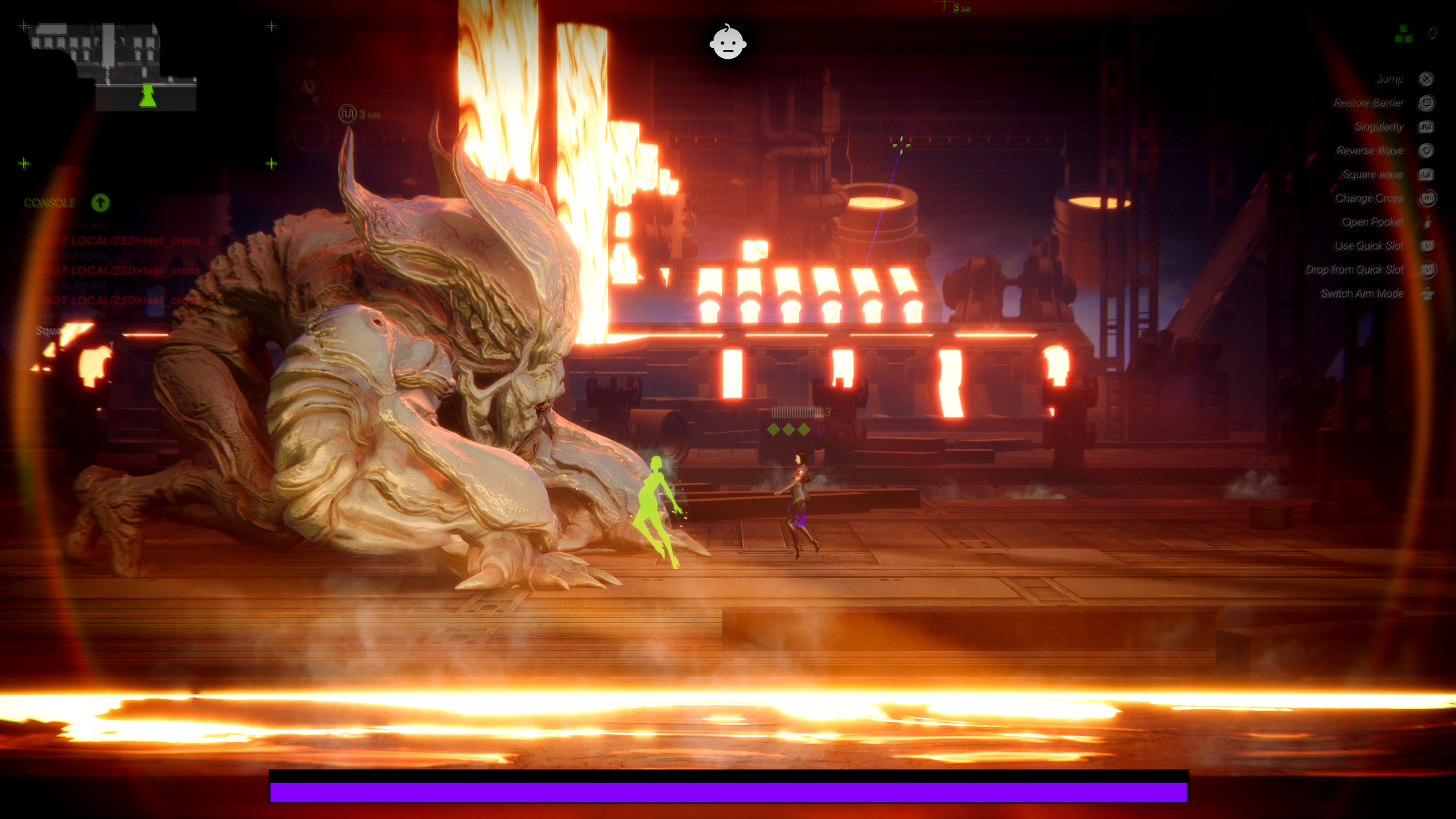
Official materials describe Among the Waves as a metroidvania with a strong focus on exploration and lore, starring the Nameless Mother, a mysterious pregnant woman who infiltrates the abandoned fortress Alatyr-M in search of the legendary Birth Doors hidden deep within the complex. Steam adds another important layer, calling it a 2.5D metroidvania with the freedom of an immersive sim, where fights and routes can be approached through combat, stealth, or interaction with the world’s systems.
That distinction matters. Plenty of games use “metroidvania” as shorthand for map gating and backtracking, but Among the Waves seems to be reaching for something broader: the navigational structure of a metroidvania combined with the problem-solving mindset of an immersive sim.
Orthodox Punk
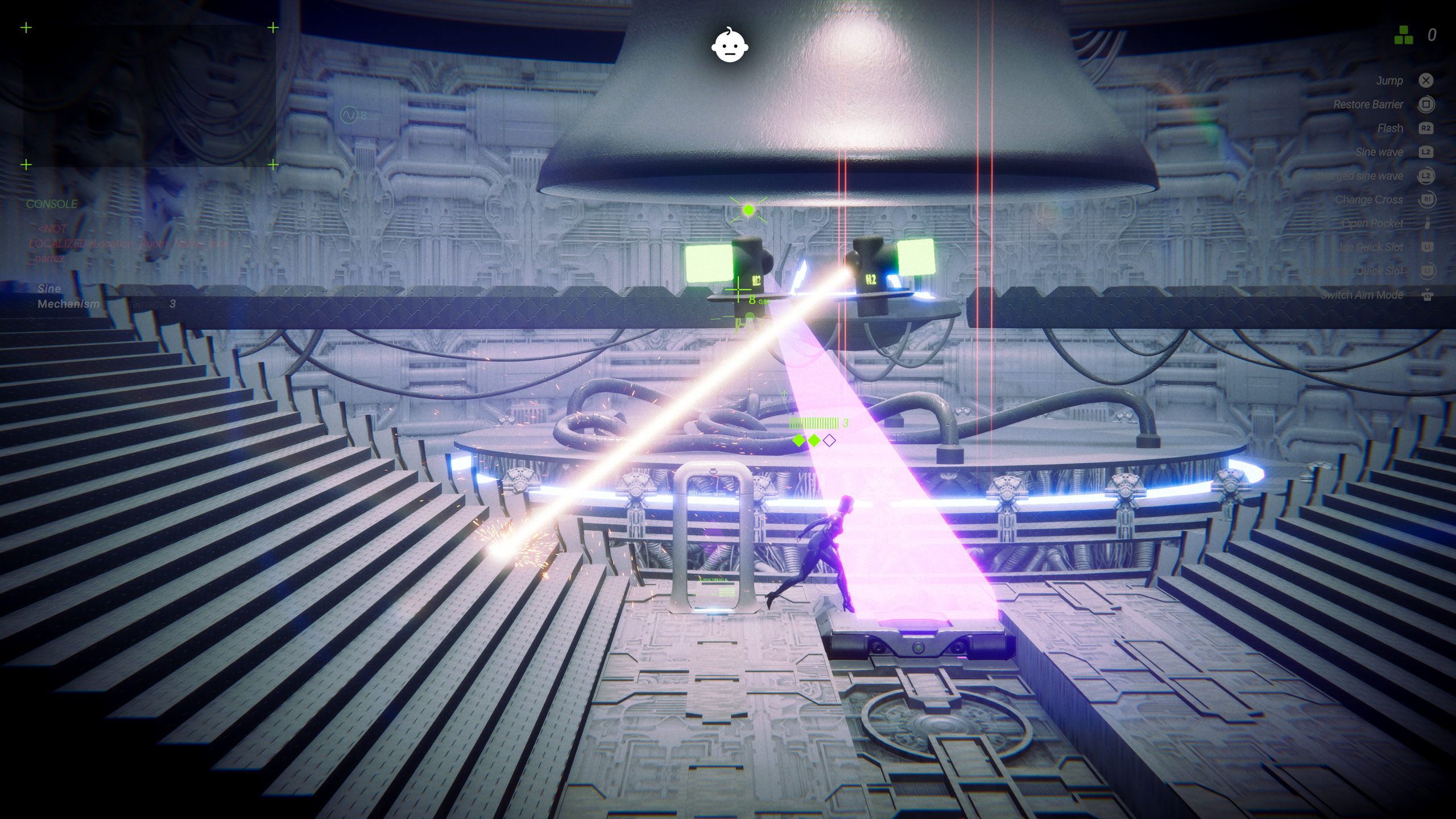
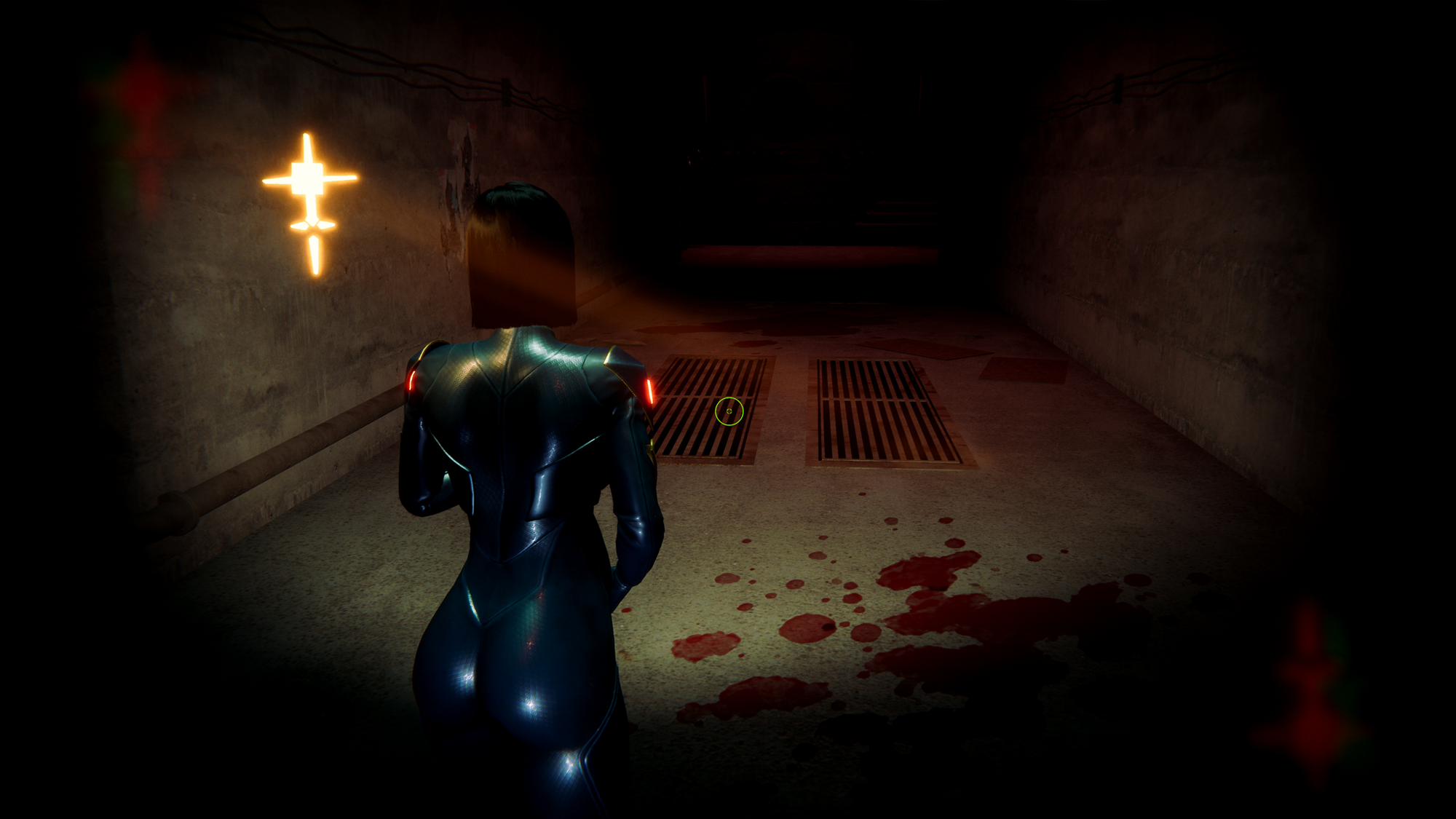
The developers describe the game’s setting as a place where Orthodox aesthetics meet Soviet brutalism and traditional woodcraft. In practice, “Orthodox Punk” seems to stand for a collision of Eastern Christian visual language, post-Soviet architectural heaviness, handmade folk textures, and decaying futurist technology.
That is one reason the game is already more memorable than a large share of indie announcements. Plenty of metroidvanias can claim beautiful art, but very few can communicate a setting in a phrase that feels this specific.
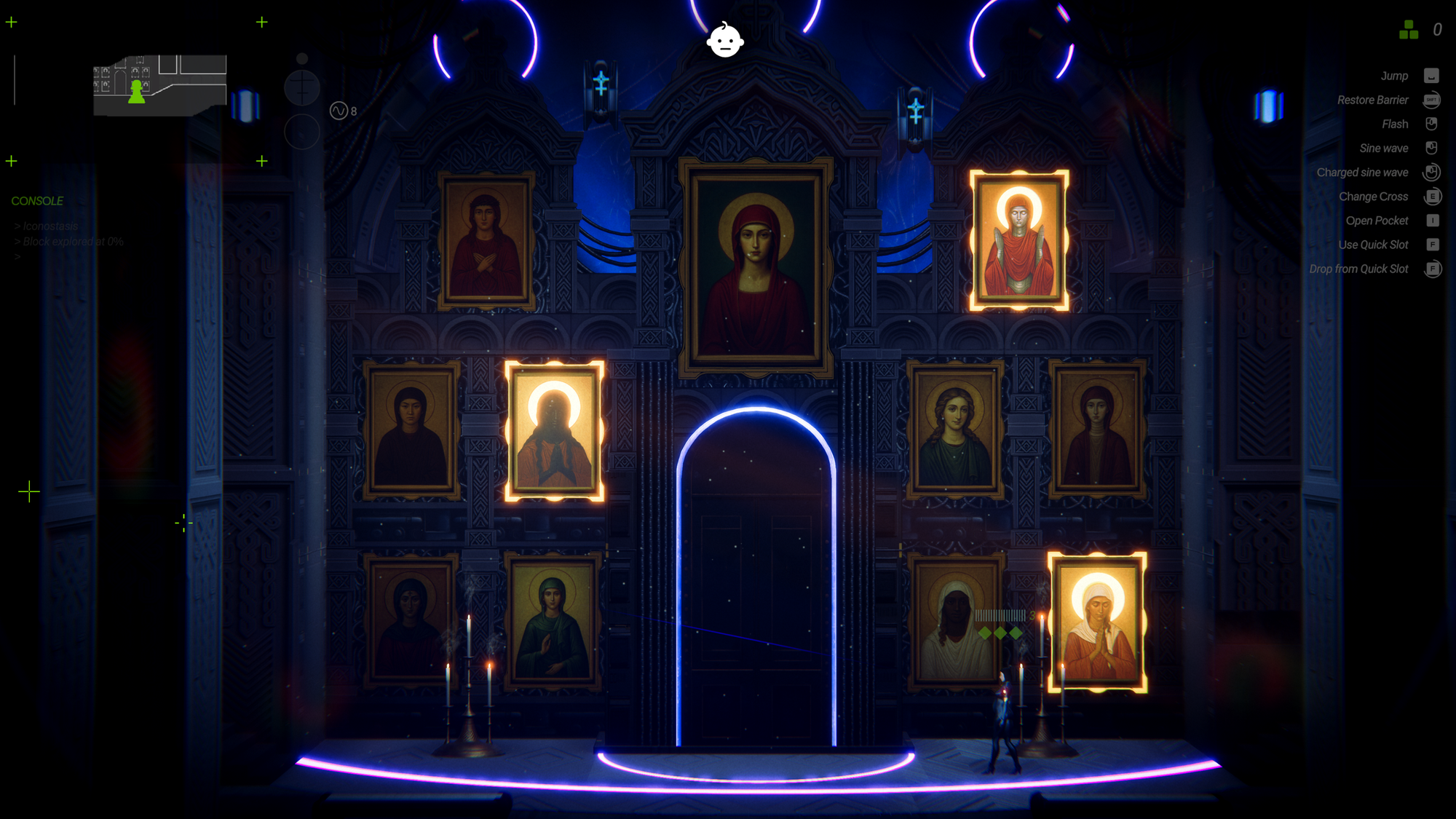
For general players, the simplest way to read the aesthetic is this: imagine a sci-fi labyrinth built from the visual logic of concrete megastructures, sacred iconography, old woodcraft traditions, and a society that has already crossed the line from decline into metaphysical disrepair.
For the broader industry, the more interesting point is that VS/Studio appears to understand a basic discoverability rule of modern indie publishing: if a small game cannot win attention through scale, it needs to win through identity.
Pregnancy as a Mechanic, Not Decoration
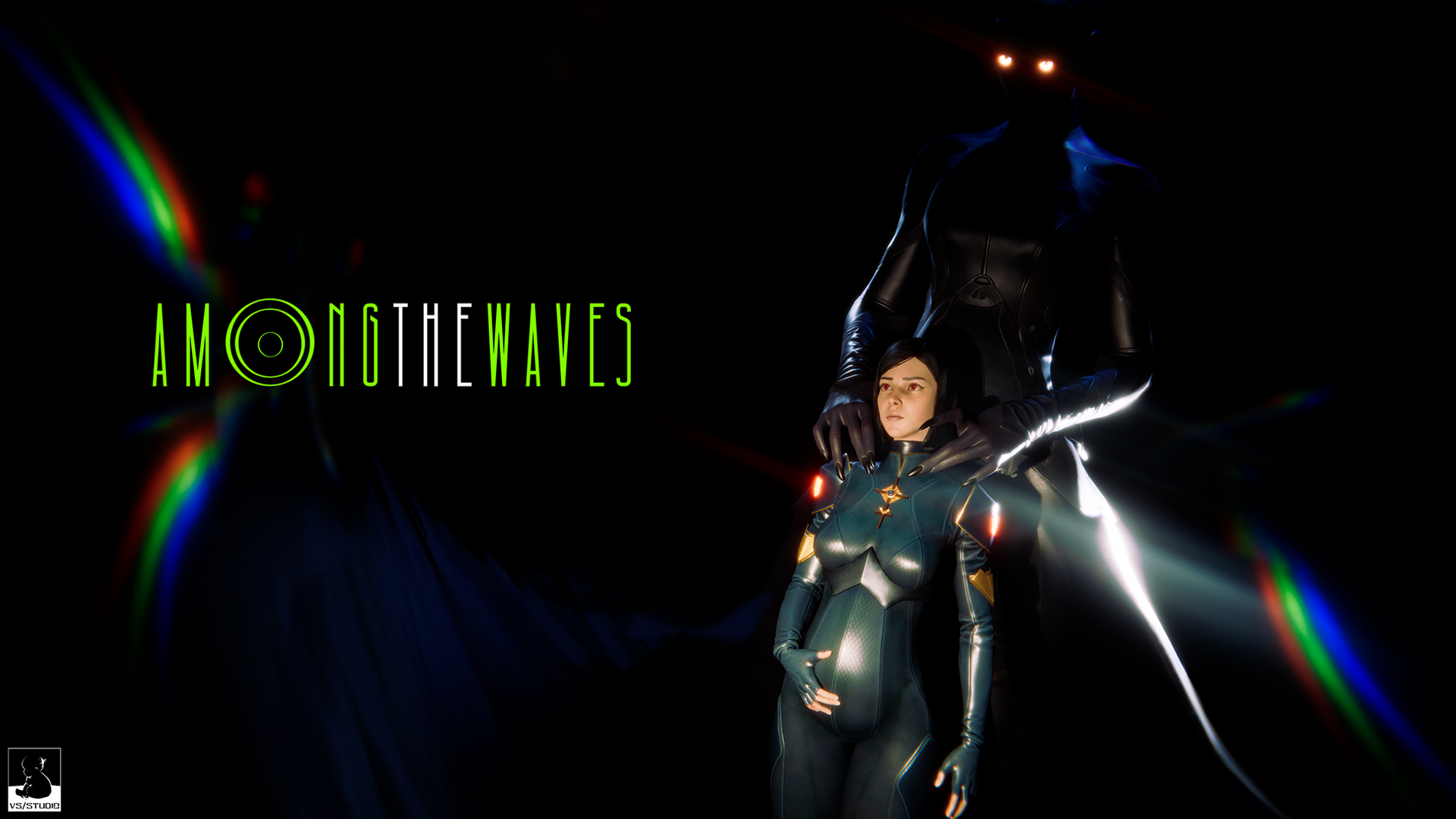
You play as the Nameless Mother. The absence of a normal personal name gives the character an archetypal quality and immediately shifts the tone away from ordinary character drama and toward myth, ritual, and symbolism.
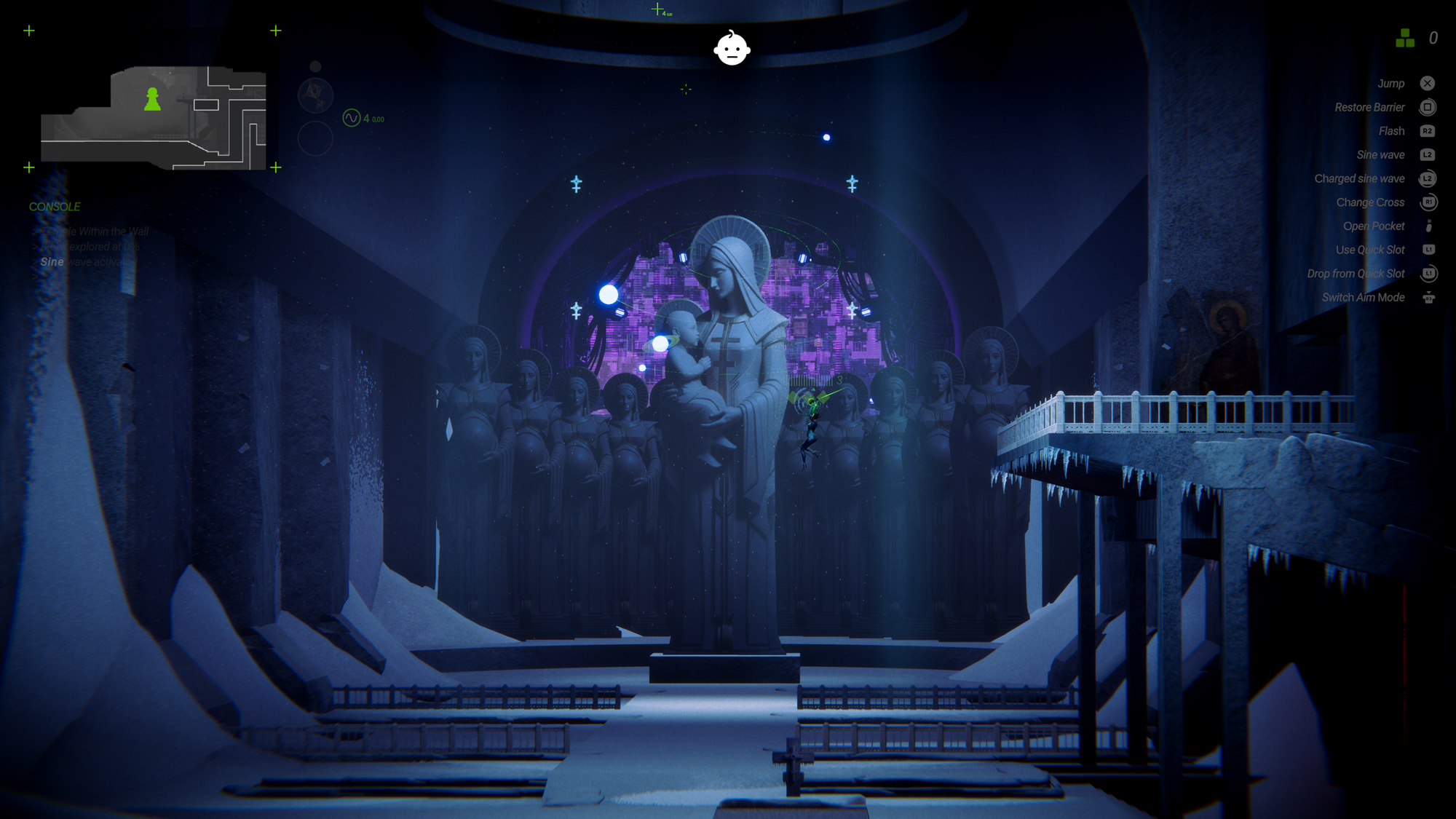
The most immediately striking design decision is also the one that gives the game its clearest thematic spine. According to the official materials, pregnancy is central to both story and gameplay because the child the Nameless Mother carries grants powers such as gravity control, wave attacks, protective fields, and other forms of physics manipulation. Steam condenses the same idea into a sharp line: pregnancy becomes a source of power, and physics becomes the player’s main weapon.
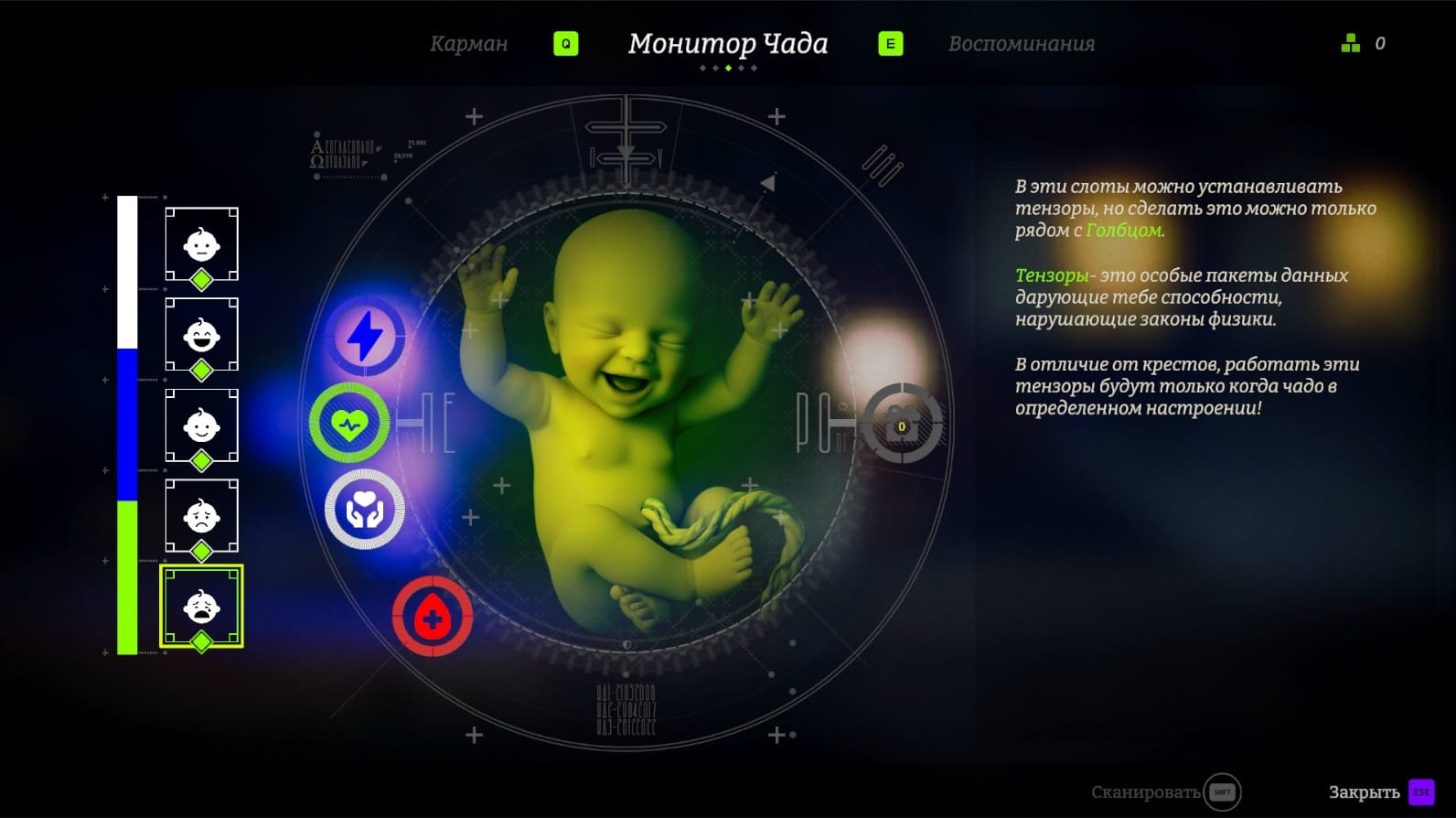
That is a more sophisticated concept than the marketing shorthand may initially suggest. In many games, unusual protagonist traits are cosmetic wrappers around conventional systems. Here, the stated ambition appears to be the opposite: the body state of the protagonist is the logic from which the mechanics emerge.
From a player perspective, that could create a very different feel from genre norms. Instead of the usual progression from fragile adventurer to highly mobile super-predator, Among the Waves seems to frame power as weight, vulnerability, protection, and controlled disruption.
From a design perspective, that opens a richer field than the usual binary of agile offense versus defensive durability. If the Nameless Mother’s condition alters how she occupies space, absorbs risk, manipulates force, or reads environments, then the game is not simply adding a novel protagonist to a metroidvania template; it is testing whether the template itself can be reshaped by a different embodied premise.
How the Mechanics Could Differentiate It
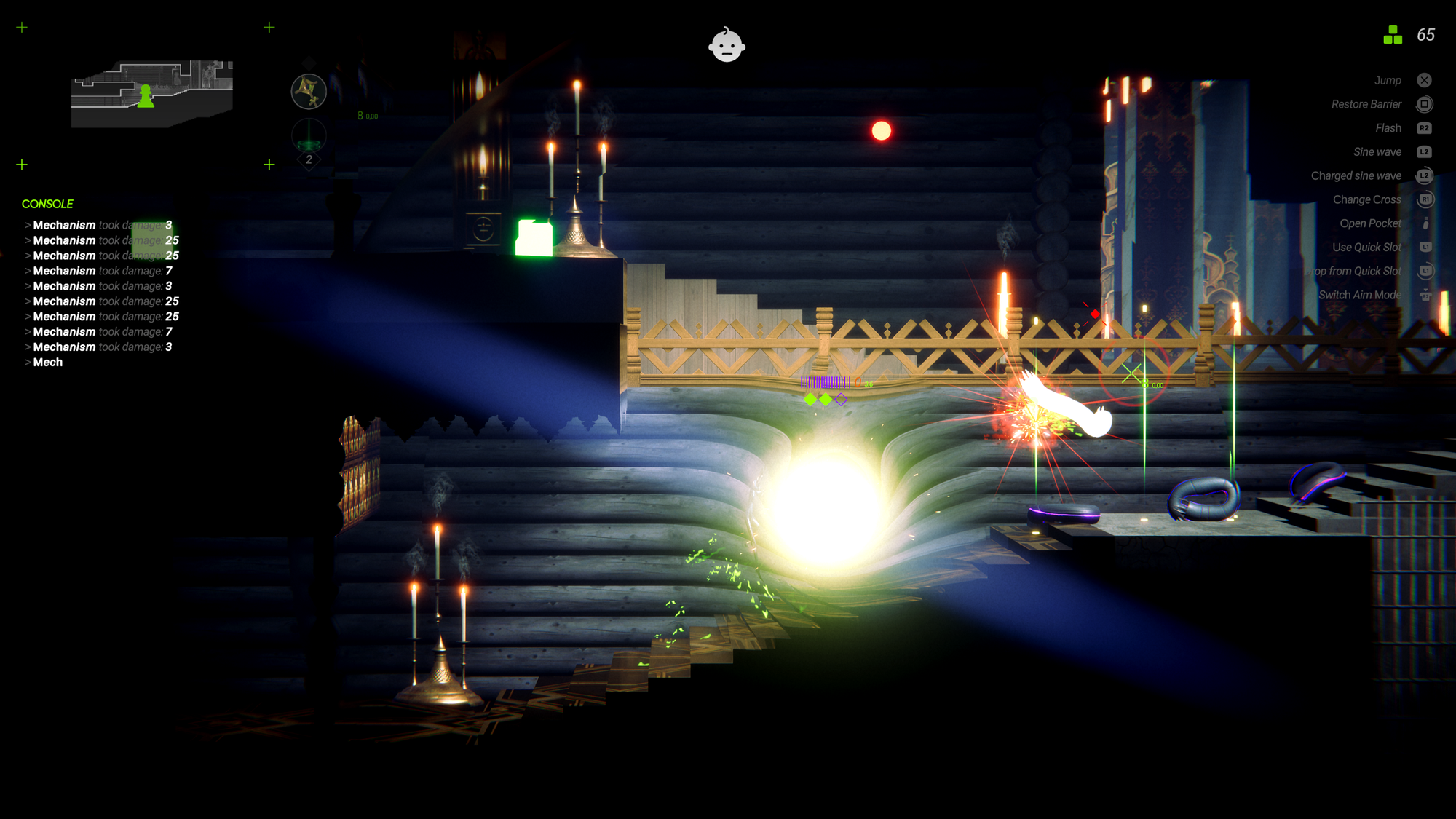
On paper, the strongest mechanical hook is the promise that every fight and every path can be approached through combat, stealth, or the world’s underlying systems. That wording is unusually ambitious for a small-team metroidvania, because it implies not only alternate tactics but a level of systemic responsiveness more commonly associated with immersive sims.
The mechanics listed publicly point toward a coherent cluster: gravity control, wave attacks, protective fields, weight and physics manipulation, intricate labyrinthine spaces, and an unconventional combat system. Even without an exhaustive move list, the implication is clear enough to be interesting.
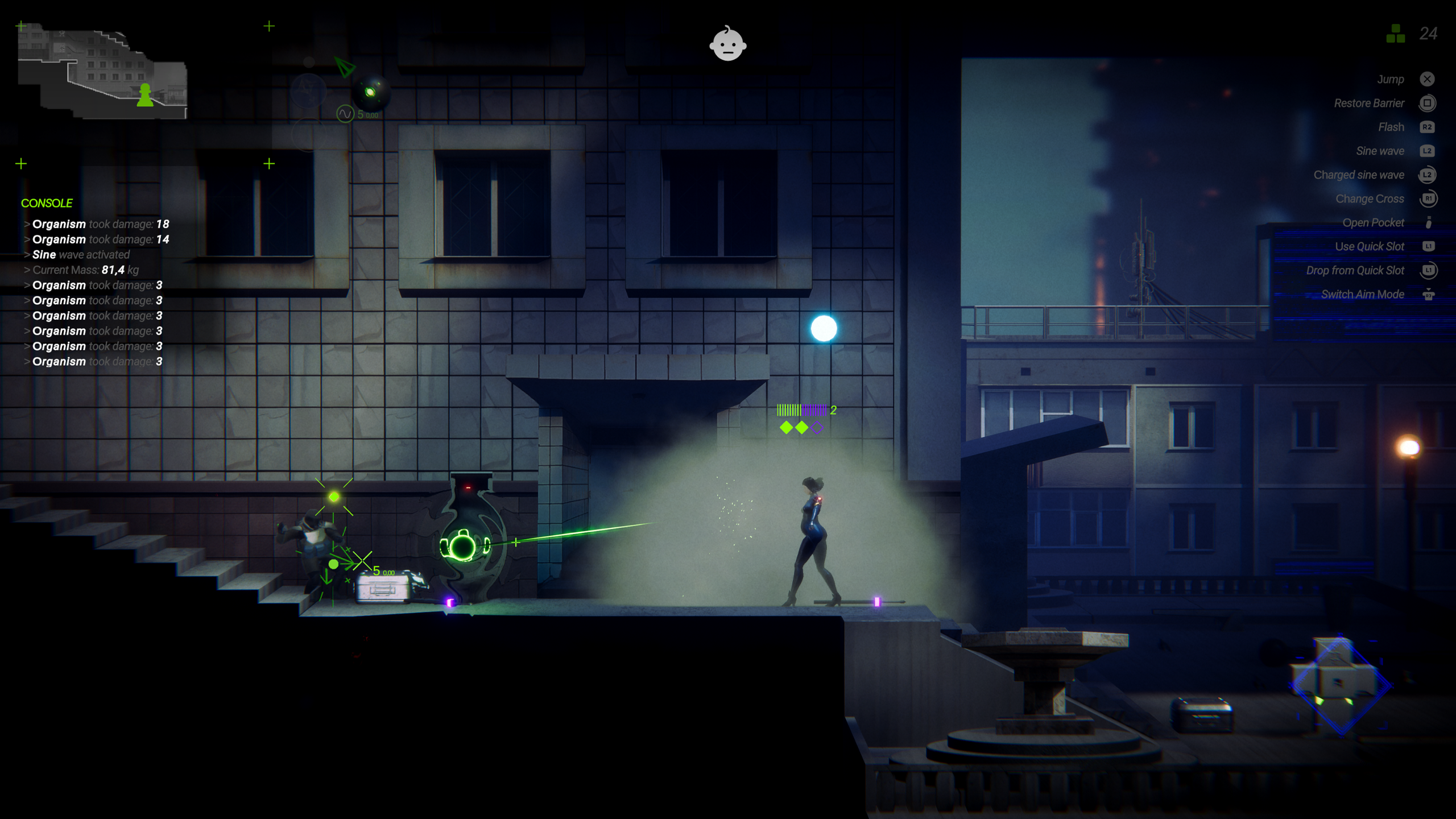
Traditional metroidvanias often gate progress through familiar verbs such as double jump, air dash, wall climb, projectile switches, and key-like traversal upgrades. Among the Waves appears to want gates defined by physical states and force relationships instead.
That has consequences for both readability and originality. For players, physics-driven powers can make progression feel less like checking off ability locks and more like learning a world’s governing rules. For developers, it is a risky proposition, because physics-heavy systems are harder to tune, harder to communicate cleanly, and easier to break in edge cases than fixed-move action design.
That risk is exactly what makes the project interesting. If it works, the game could feel materially different from genre leaders without abandoning the structure that makes metroidvanias satisfying in the first place.
Comparisons
The most useful comparisons are not the laziest ones. It is easy to say “metroidvania” and stop there, but Among the Waves becomes clearer when placed against several of the genre’s prominent reference points.
| Game | Shared DNA | Key Difference |
|---|---|---|
| Super Metroid | Nonlinear exploration, ability-gated progression. | Among the Waves appears more system-driven, with physics and stealth layered onto progression. |
| Castlevania: Symphony of the Night | Gothic-adjacent atmosphere, labyrinth structure, lore-heavy progression. | VS/Studio is aiming for a more philosophical and culturally specific world rather than aristocratic gothic fantasy. |
| Hollow Knight | Mood-heavy exploration, environmental storytelling, high discovery value. | Among the Waves foregrounds bodily symbolism and force manipulation rather than precision mobility and melancholic minimalism. |
| Blasphemous | Religious imagery fused with action-platforming. | Among the Waves seems less punitive-devotional and more speculative, blending Orthodox motifs with sci-fi brutalism and immersive-sim design language. |
| Metroid Dread | Constant pressure inside a hostile sci-fi labyrinth. | Among the Waves seems less about chase tension and more about symbolism, alternate encounter solutions, and environmental interpretation. |
Those comparisons help set expectations without flattening the game into a clone. Right now, the project looks most distinctive where it intersects three lines at once: religious-symbolic art direction, physics-based embodiment, and a stated commitment to multiple tactical approaches.
Development History
Reporting around the game indicates that the earliest ideas date back to 2006, the concept took fuller shape by 2014, and active development began in 2022. The press kit also outlines a seven-person core team that includes two Unity developers, an environment artist, a 3D animator, a game designer/art director/project author, a COO/marketer/community manager, and a QA tester, with additional freelance collaborators and composers Daria Stavrovich and Sergey Bogolyubsky contributing.
For players, that timeline reads as a sign that this is not a project assembled overnight around a market trend. Long gestation can mean strong authorship and a deeply considered world, but it can also create scope pressure, feature creep, and the challenge of translating old concepts into modern production realities.
The engine choice matters here as well. A Unity-based 2.5D project is a pragmatic route for a team of this size, especially when the game depends on hybridized systems, stylized environments, and multi-platform ambitions. But the same flexibility that makes Unity attractive can also become a burden when physics tuning, animation responsiveness, level readability, and performance all have to support a mechanically unusual design.
The Philosophy Is Not a Side Dish
One of the easier mistakes in writing about Among the Waves is to treat its philosophy as atmosphere rather than structure. The official developer statements are explicit that the title is meant to be poetic, that “waves” are a philosophical and mathematical abstraction, and that the characters are symbolic castaways drifting in the ocean of the unknowable. The developer quote from the press kit sharpens that into the game’s central proposition:
This is not a game about birth in a simple literal sense, but about why one waits for it, and what one is willing to sacrifice so that it happens at the right time and in the right place.
Taken together, those statements suggest a game preoccupied with readiness, destiny, emergence, and the cost of bringing something new into a broken world.

From a cultural perspective, that is part of what makes the project so easy to talk about and potentially so hard to execute. Games have often used pregnancy as backstory, emotional trigger, or symbolic image. Very few have made it the formal source of moment-to-moment agency.
That makes Among the Waves vulnerable to misunderstanding, but also capable of saying something no safer pitch could. Whether it ultimately says that thing well will depend on writing, encounter design, and tonal control, not just premise.
What Still Needs Verification
Several things are already clear from official materials: the Nameless Mother premise, the Alatyr-M setting, the seven-person core team, the philosophical framing, the immersive-sim pitch, the physics-based powers, and the planned 2027 release window.
Other areas are better handled with caution. The current public materials do not yet give a full move list, a definitive difficulty profile, a locked final release quarter, or a complete public explanation of how deep the stealth and systemic simulation layers run in practice.
Recommendation
At this point, Among the Waves seems easiest to recommend to several overlapping audiences. Players who enjoy exploration-first metroidvanias, lore-rich worlds, unusual protagonist concepts, and games willing to risk awkwardness in pursuit of originality should pay close attention.
The same goes for players who like familiar genre structure but want it destabilized in interesting ways rather than simply repeated.
It may be less appealing to players who want the cleanest possible action readability, minimal narrative density, or a straightforward combat-first loop. A game selling itself on philosophy, symbolism, and force manipulation may prove more interpretive and less instantly legible than the genre’s most elegant action exemplars.
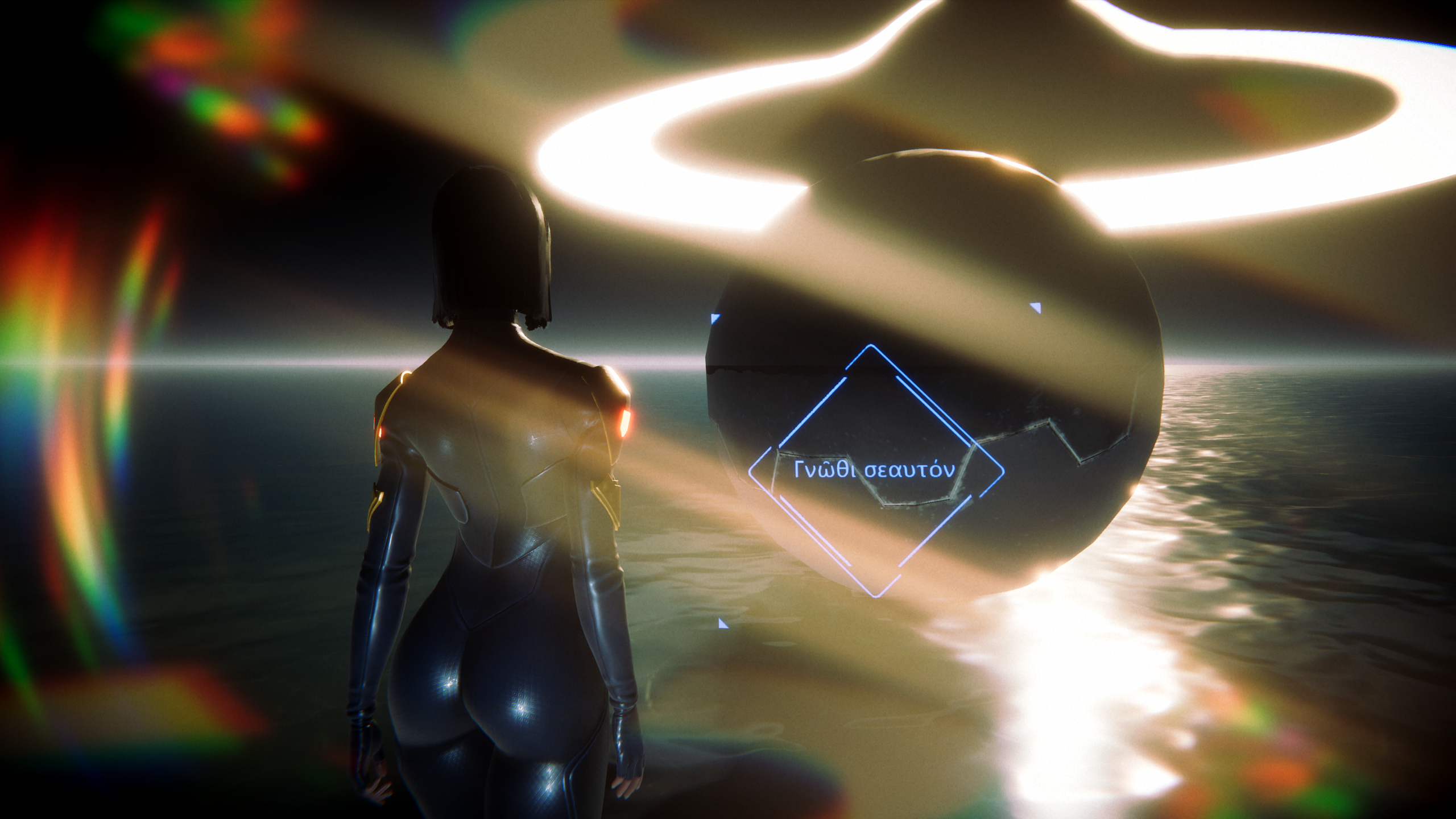
Wishlist Among the Waves, follow the project’s development closely, and watch for future demo or playtest opportunities tied to Steam visibility beats such as Next Fest.
The game has not yet proven every part of its ambitious pitch, but it has already done something many indie metroidvanias never manage. It has become memorable for reasons that go deeper than style alone.
If the final game can make good on even most of what its official materials promise — multiple encounter approaches, physically expressive powers, strong exploration, layered symbolism, and a world with genuine cultural texture — it will deserve sustained attention.
Official Website: https://amongthewaves.com
Steam: https://store.steampowered.com/app/3347690/Sredi_Voln
YouTube: https://www.youtube.com/@atw_games
Twitter (X): https://x.com/atw_gamesX
TikTok: https://www.tiktok.com/@atw_games
VK: https://vk.com/atw_games
Telegram: https://t.me/atw_games